Situational Leadership Theory for Project Managers
Situational Leadership Theory is a powerful model that project managers can use to successfully lead teams.
What is Situational Leadership?
 Situational Leadership Theory
The key idea behind situational leadership theory is that there is no single "best" way to lead a team.
The situational leadership model defines four leadership styles. The style that you should use is determined by the maturity of the individual you are trying to influence.
Follower maturity can be thought of as their readiness to perform the task desired by the leader. It is based on the follower's ability and willingness to perform the task.
The model defines four levels of follower maturity...
- Low Maturity (M1): Follower is UNABLE and UNWILLING to perform the task
- Low to Moderate Maturity (M2): Follower is UNABLE but WILLING to perform the task
- Moderate to High Maturity (M3): Follower is ABLE but UNWILLING to perform the task
- High Maturity (M4): Follower is ABLE and WILLING to perform the task
Leadership: The process of influencing the activities of an individual or a group in efforts toward goal accomplishment.
- Paul Hersey, Kenneth H. Blanchard, & Walter E. Natemeyer
Leadership Styles
There are four styles defined by the model...
- Telling
- Selling
- Participating
- Delegating
Each situational leadership style includes the appropriate combination of direction (task behavior) and support (relationship behavior).
The Telling leadership style is for followers with low maturity. If the person you are trying to influence is unable and unwilling to perform the task, you will need to provide very clear and specific directions and supervision.
The Selling leadership style is for followers with low to moderate maturity. As a project manager, you will need to provide direction due to your follower's low ability, but provide a highly supportive environment at the same time to reinforce their enthusiasm for the task.
The Participating leadership style is for followers with moderate to high maturity. In situations where the follower is able to perform the task but doesn't have enthusiasm or lacks confidence, it is important to get their buy-in for the task. This is done by involving them in the decision-making around the task.
The Delegating leadership style is for followers with high maturity. When your followers have the ability and motivation to perform the task, little direction or support is needed from you. Your team is self-directed at this point and is able to make decisions related to the task.
Determining Your Leadership Style
To determine the leadership style you should use, you will need to understand your team's ability and willingness to perform the needed tasks.
The style you use can be different for different team members and different teams. It will also change over time as your team's abilities and motivations change.
As you can see, the situational leadership theory is a very practical model for project managers.
Related Articles About the Situational Leadership Theory
What Makes a Good Leader? Key Leadership Characteristics for Project Managers
Understanding what makes a good leader is important if you want to be a successful Project Manager. Learn the two key characteristics of a good leader.
Leadership Versus Management: The Leader vs Manager Question
Leadership versus management - Is one more important than the other for successfully managing projects? Learn the difference between leadership and management and how it applies to project management.
Situational Leadership Model: Applying the Theory to Project Management
The Situational Leadership Model provides guidance on what type of leadership style to use and when it should be used. Learn how you can influence people you don't have direct authority over.
Do You Want More Project Management Tips?
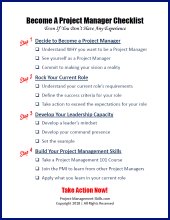
Subscribe to Project Success Tips, my FREE Project Management Newsletter where I share tips and techniques that you can use to get your Project Management Career off to a great start.
As a BONUS for signing up, you'll receive access to my Subscribers Only Download Page! This is where you can download my "Become A Project Manager Checklist" and other project management templates.
Don't wait...
New! Comments
Have your say about what you just read! Leave me a comment in the box below.