What is Risk Management?
What is Risk Management?
A look at what it is and why it's important for Project Managers.
What is Risk?
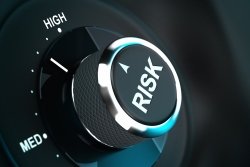 What is Risk Management?
Everyday, project managers across the globe worry that something may occur that will derail their project.
It may be something as small as a team member staying home to care for a sick child which results in a minor delay to the project since their planned task for that day won't be completed.
Or it could be a more significant event such as a labor strike at a key supplier which results in your whole project coming to a full stop.
Potential events such as these are called risks.
A risk is anything that may happen that could have an unfavorable effect on your project's objectives.
The key characteristic of a risk is the uncertainty of its occurrence. Uncertainty is what differentiates a risk from an issue. A risk has some probability of occurring whereas an issue has occurred. You can think of an issue as a risk that has materialized.
A Definition of Risk Management
As you can imagine, there are an infinite number of risks that can impact your project.
Risk management is a systematic approach to managing project risk in order to increase the likelihood of meeting project objectives.
There is a four step process for effective risk management...
- Identify Risks
- Risk Assessment
- Risk Response Development
- Monitor and Control Risks
Using a systematic approach such as this, you will be able to proactively manage your project's risks. You will reduce surprises and minimize the negative consequences that result from undesirable events that occur.
Why Risk Management is Important
As a project manager, there are many reasons why you need to incorporate risk management into your project management...
- Better Project Decisions
Including risk potential into your project decisions will help you make better decisions. - Set Priorities
Risk probability and risk impact can help you prioritize project tasks. - Effective Resource Allocation
Understanding which activities have greater risk impact to the project will help you determine the best places to allocate your resources to meet project objectives. - Improve Planning
Risk mitigation and contingency planning will make your plans more robust, and maybe even bullet proof! - Reduce Project Costs
Managing risks effectively can help your project avoid or minimize costs it may have otherwise incurred. - Reduce Your Stress
Risk mitigation and contingency planning will help reduce surprises and keep you one step ahead. Being proactive will definitely reduce your stress.
So, what is risk management?
Risk management is a way for you to proactively and systematically manage the uncertainty surrounding your project.
It is an important aspect of being an effective project manager.
Related Articles About What is Risk Management
Project Risk Management Basics
The goal of Project Risk Management is to identify project risks and develop strategies to prevent them from occurring or reduce their impact if they do occur. Learn the basics of risk management.
Qualitative Risk Analysis and Assessment
Qualitative risk analysis is a a simple and cost-effective way to manage project risks. Learn how you can develop and use a qualitative risk assessment matrix for your project.
Do You Want More Project Management Tips?
Subscribe to Project Success Tips, my FREE Project Management Newsletter where I share tips and techniques that you can use to get your Project Management Career off to a great start.
As a BONUS for signing up, you'll receive access to my Subscribers Only Download Page! This is where you can download my "Become A Project Manager Checklist" and other project management templates.
Don't wait...
New! Comments
Have your say about what you just read! Leave me a comment in the box below.